C.S. Lewis & Assassinations

The brilliant author C.S. Lewis died on the same day that an American president was assassinated. The violent death of John F. Kennedy in November of 1963 eclipsed Lewis’ own passing, so many people were unaware of it for some time. Yet on that autumn day, both Camelot and Narnia lost their inspirations.

Unfortunately, Kennedy’s shooting was not the only political assassination that was connected in a manner to C.S. Lewis’ life. Archduke Franz Ferdinand Carl Ludwig Joseph Maria of Austria was the heir apparent to the throne of Austria-Hungary. A nineteen year old political activist cold-bloodedly murdered the archduke and his wife, Sofie.

Franz and Sophie had married for love, despite her inadequate social rank, which resulted in a morganatic marriage. In recent years such unions have become more common, but at the time, it was a serious matter. The archduke was forced by his uncle, the emperor, to accept that their descendants would never have a right to the throne.

In a convoluted fashion, Ferdinand’s death nearly led to C.S. Lewis’ own. The 1914 assassination was the spark that set the globe on fire during the First World War. And, during that grim conflict, C.S. Lewis was severely wounded by an artillery shell that killed friends standing nearby.

The Causes and Impact of Political Assassinations” was published by the Combating Terrorism Center at West Point. It begins with the fact that “political assassinations have been part of social reality since the emergence of communal social frameworks . . .” And so, since social frameworks will forever exist, they continue.

Humanity’s Violent History

Assassination has been a relatively common practice throughout human history. This shouldn’t surprise anyone who knows the sad story of Abel and his angry brother, Cain. 

Philip II of Macedon, the father of Alexander the Great, was killed attending the wedding of his daughter Cleopatra (no, not that Cleopatra). Later Cleopatra, as a widow, would be assassinated herself by one of her unsuccessful suitors.

Three centuries later, Julius Caesar was murdered by the political elite of Rome, who feared his growing influence. And in 453, one of Rome’s greatest enemies, Attila the Hun, was arguably murdered on his wedding night by his new bride, Ildico.

Several assassinations are recorded in the Bible. Over such a lengthy and turbulent historical period, that is unsurprising. The two excerpts below have links to the fuller accounts.

[Canaanite general] Sisera fled away on foot to the tent of Jael, the wife of Heber the Kenite, for there was peace between Jabin the king of Hazor and the house of Heber the Kenite. And Jael came out to meet Sisera and said to him, “Turn aside, my lord; turn aside to me; do not be afraid.” So he [entered] the tent, and she covered him with a rug. . . . And he said to her, “Stand at the opening of the tent, and if any man comes and asks you, ‘Is anyone here?’ say, ‘No.’” But Jael the wife of Heber took a tent peg, and took a hammer in her hand. Then she went softly to him and drove the peg into his temple until it went down into the ground while he was lying fast asleep from weariness (Judges 4).

Joab took Amasa by the beard with his right hand to kiss him. But Amasa did not observe the sword that was in Joab’s hand. So Joab struck him with it in the stomach and spilled his entrails to the ground without striking a second blow, and he died (2 Samuel 20).

As a sort of counterbalance to these “positive” instances – elimination of Israel’s enemies – you may want to read about King David’s condemnation of the assassinations of his political rivals, men to whom he would have extended mercy. When two brothers sought a reward for murdering King Ish-bosheth, Saul’s son, David declared “when wicked men have killed a righteous man in his own house on his bed, shall I not now require his blood at your hand and destroy you from the earth?” (2 Samuel 4).

All told, however, there was much violence in the ancient world. As C.S. Lewis’ wife, Joy Davidman, wrote in Smoke on the Mountain: An Interpretation of the Ten Commandments in Terms of Today:

How the ancient Jews did slaughter! They killed in hot blood and in cold; they killed for loot, for God, and for fun. . . . The tribes killed . . . by political assassination as when Ehud stabbed King Eglon in his fat belly . . . [The graphic story of Eglon’s assassination is detailed in Judges 3.]

Another historically consequential assassination occurred in the year 661, when Muhammad’s son-in-law Ali ibn Abi Talib was slain with a poison-coated sword while praying in the Great Mosque of Kufa. This incident caused Islam to separate into two major denominations, and Sunni-Shia relations continue to be contentious.

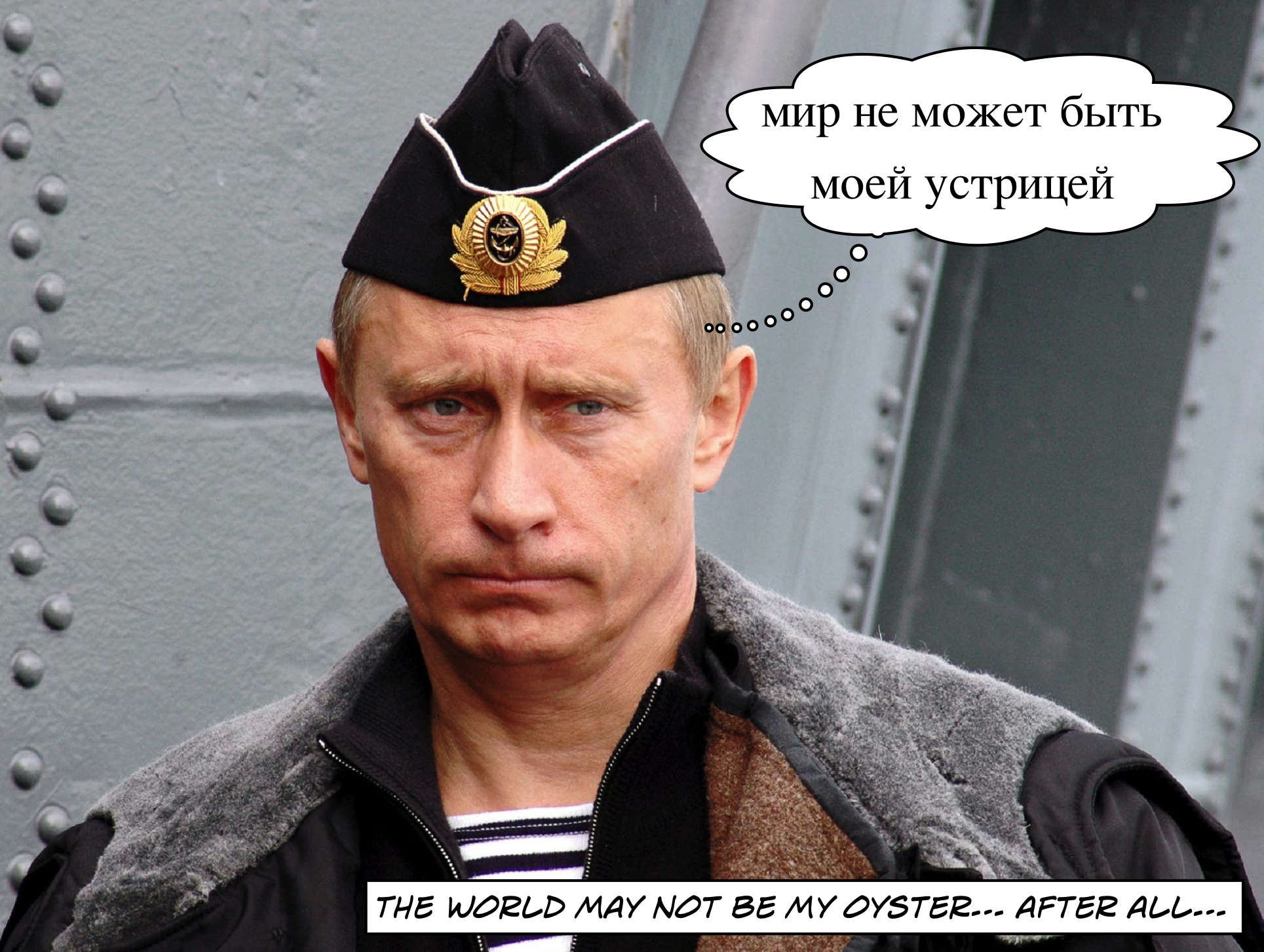
In the modern era, political murders remain unabated. Vladimir Putin  may be the current master of the deadly art. Even discounting the growing number of “suicides” among his advisers and generals following his ill-advised invasion of Ukraine, we have the case of Alexei Navalny. Navalny was one of Putin’s critics who in 2020 survived poisoning with Novichok nerve agent. Nevertheless, imprisoned in the arctic, he later died under extremely suspicious circumstances. 

In the western hemisphere, the recent attempted assassination of former President Donald Trump invites a review of the danger of serving in that particular office. Despite the (obvious) risk of inviting non-Americans to mock the United States, consider a few facts.

  • Since 1789 (when the office was established) we have had 45 presidents
  • Four sitting presidents have been assassinated while in office
  • Three other presidents (one while in office) were wounded in assassination attempts

Assassination During the Protestant Reformation

In C.S. Lewis’ landmark tome English Literature in the Sixteenth Century, recalls a peculiar passage from the History of the Reformation of Religion within the Realm of Scotland. The author, John Knox refers to the murder of Scotland’s last pre-Reformation Roman Catholic cardinal. It would be more than four centuries before the Pope appointed another.

In the cast of [Knox’s] mind, too, there is something not unlike Tacitus’ sombre pungency, though Knox’s humour, as becomes a countryman of Dunbar, is more boisterous and ferocious.

Sometimes, indeed, it is so ferocious that we should not recognize it at all if we were not told; as when after describing the murder of Cardinal Beaton down to the last grim detail of packing the corpse in salt (‘the wether was hote’) he proceeds, ‘These things we wreat mearelie: but we wold that the reader should observe Goddis just judgementis.’

He was apparently afraid lest the fun of the thing might lead us to forget that even an assassination may have its serious side.

Quite true. An assassination, even of a despised ruler such as Adolf Hitler, remains a serious matter.
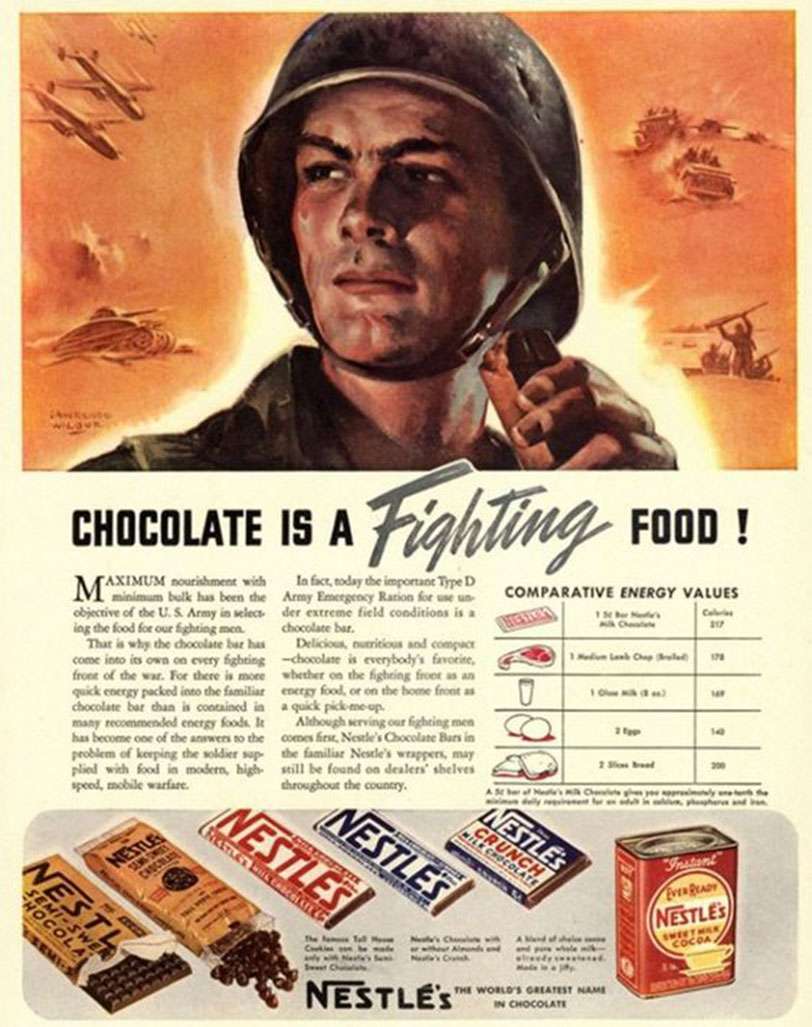
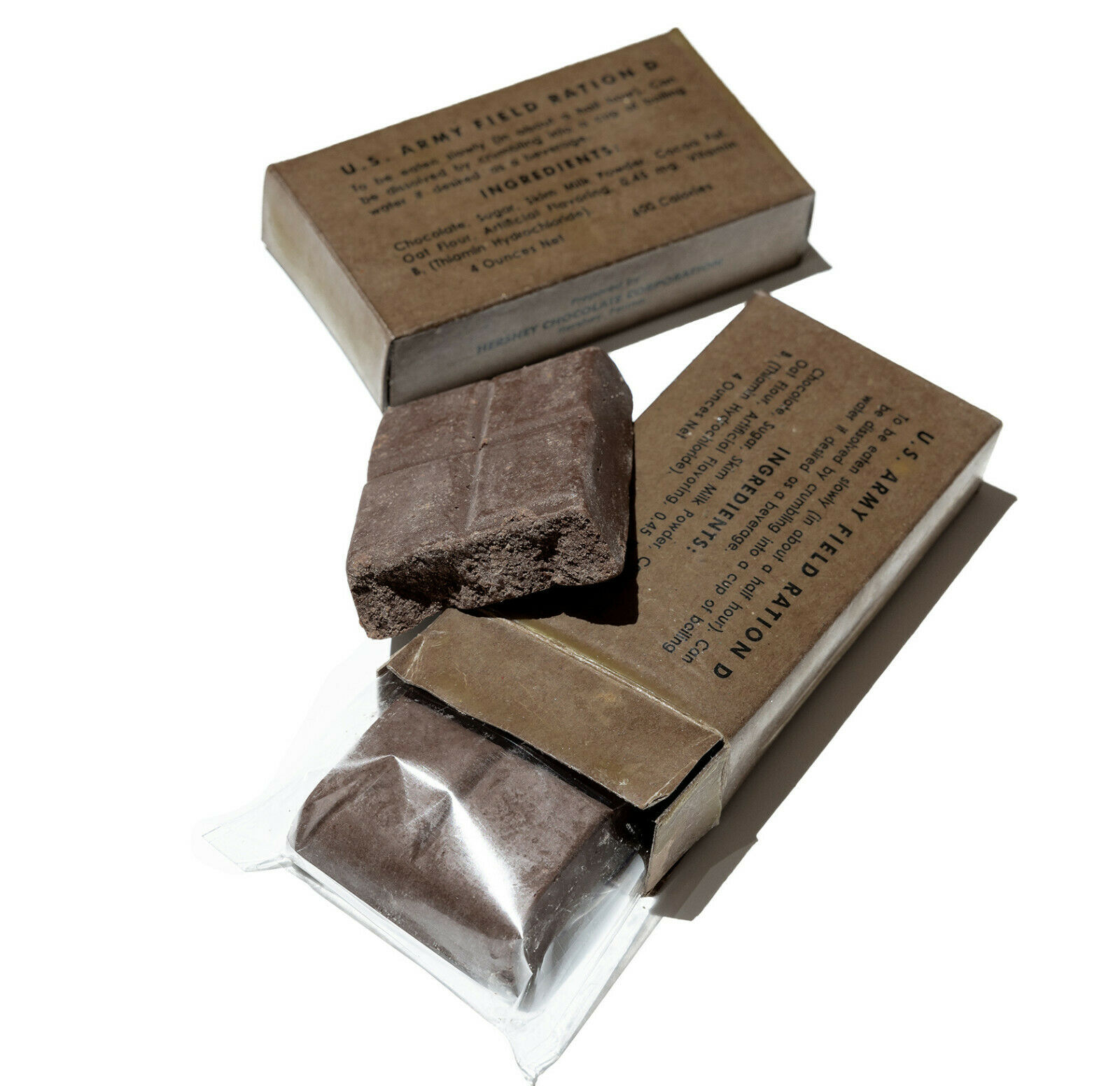
Chocolate Fuels Armies

“An army marches on its stomach.”* Military leaders have long recognized that it is difficult to arouse soldiers weakened by deprivation. Sadly, though, even a king of Israel could be foolish enough to ignore that and order his soldiers to fast before a battle.

While logisticians rarely receive the accolades of their peers who serve directly in combat, they have always been vital members of successful military ventures.

While they are concerned with securing and transporting all requirements, such as ammunition and medical supplies, there is a single necessary requirement for all campaigns. Without sustenance, soldiers will desert the flag and even the most steadfast will fall.

Nutritional value is the first priority. Palatability has historically been a distant afterthought. This has given rise to innumerable jokes made by veterans about the “combat rations” provided to them. While these “menus” have vastly improved in recent years, they remain fodder for much humor.

And even the most delicious food choices become monotonous when they are limited to a small range. In 2002, I visited a remote military detachment supplied with adequate pallets of Meals Ready to Eat, but begging for variety. They had hundreds of meals available, but only two or three different meal options! Civilians, in contrast, can readily purchase a far wider range of entrees.

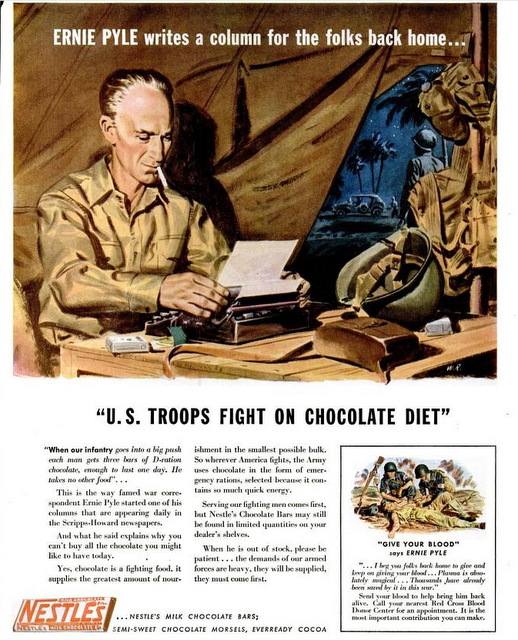
During the Second World War, the United States invested major efforts in making the combat meals more appealing. Various candies found their way into K-rations, in addition to necessities like toilet paper and cigarettes. In a comprehensive overview of the history of rations, the U.S. Army Quartermaster Foundation points to the main reason for complaint during WWII.

Like other unpopular items, misuse was a contributing factor to the waning popularity of the K ration. Although designed to be used for a period of two or three days only, the ration occasionally subsisted troops for weeks on end. . . . Continued use reduced the acceptability and diminished the value of the ration.

Adding confectionaries to rations made the meals more welcome. Chocolate was always a favorite, but the initial American versions left much to be desired.

My research was, in fact, prompted by a recent post on “Chocolate in WWII” in Pacific Paratrooper. (It is one of the very best military blogs on the internet.) They describe how the military approached a major American confectioner with a simple list of requirements (the last one is best appreciated by older veterans).

The Hershey Chocolate company was approached back in 1937 about creating a specially designed bar just for U.S. Army emergency rations. According to Hershey’s chief chemist, Sam Hinkle, the U.S. government had just four requests about their new chocolate bars: (1) they had to weigh 4 ounces; (2) be high in energy; (3) withstand high temperatures; (4) “taste a little better than a boiled potato.”

Sadly, many “who tried it said they would rather have eaten the boiled potato.” Well, it was the thought that counted, right?

There is a legend that during the war a German officer was confronted with American desserts and determined that the abundant resources of the United States signaled doom for the Nazi cause. The story likely has a fictional origin.

In the 1965 film Battle of the Bulge, Wehrmacht Colonel Hessler, shows his commanding general a treasure confiscated from American soldiers.

Hessler: “General, before you go, may I show you something?”

General: “What is it?”

Hessler: “A chocolate cake.”

Kohler: “Well?”

Hessler: “It was taken from a captured American private. It’s still fresh. If you will look at the wrapping, general, you will see it comes from Boston.”

Kohler: “And?”

Hessler: “General, do you realize what this means? It means that the Americans have fuel and planes to fly cake across the Atlantic Ocean. They have no conception of defeat.”

C.S. Lewis & Rations

Military rations during the First World War were more primitive than those provided twenty years later. One difference for the British is that they were granted a half gill of rum (or a pint of porter) each day.

This alcohol distribution was at the discretion of the commanding general, which meant that it was not available in the trenches. This was in the spirit of the American “General Order Number 1,” which typically applies to alcohol, and sometimes prohibits its presence throughout an entire theater. (I can personally attest to the ability of some elements, such as Special Ops, to circumvent such restrictions.)

C.S. Lewis wrote with some frequency about the rationing endured by the British public, during and after the world wars.⁑

Unfortunately, I’ve only uncovered one Lewisian reference to his own experience with military cuisine. In a 1917 letter to his father, he reveals that meals were not always appealing, even during training, prior to deploying to the war zone.

First of all came the week at Warwick, which was a nightmare. I was billeted with five others in the house of an undertaker and memorial sculptor. We had three beds between six of us, there was of course no bath, and the feeding was execrable.

The little back yard full of tomb stones, which we christened ‘the quadrangle,’ was infinitely preferable to the tiny dining room with its horse hair sofa and family photos.

When all six of us sat down to meals there together, there was scarcely room to eat, let alone swing the traditional cat round. Altogether it was a memorable experience.

A Hobbit, a Wardrobe, and a Great War describes how WWI affected C.S. Lewis and J.R.R. Tolkien. After relating a passage following Miraz’s defeat of Caspian’s force, when the momentarily defeated were “a gloomy company that huddled under the dripping trees to eat their scanty supper,” the author observes:

The military blunders, the fruitless acts of bravery, the bone-chilling rain, the meager rations: there were many days and nights just like these along the Western Front. Imaginary beasts aside, such scenes could have been lifted from the journal of any front-line soldier.

Like Tolkien, though, Lewis includes these images not for their own sake, but to provide the matrix for the moral and spiritual development of his characters . . .

Rations in Ukraine

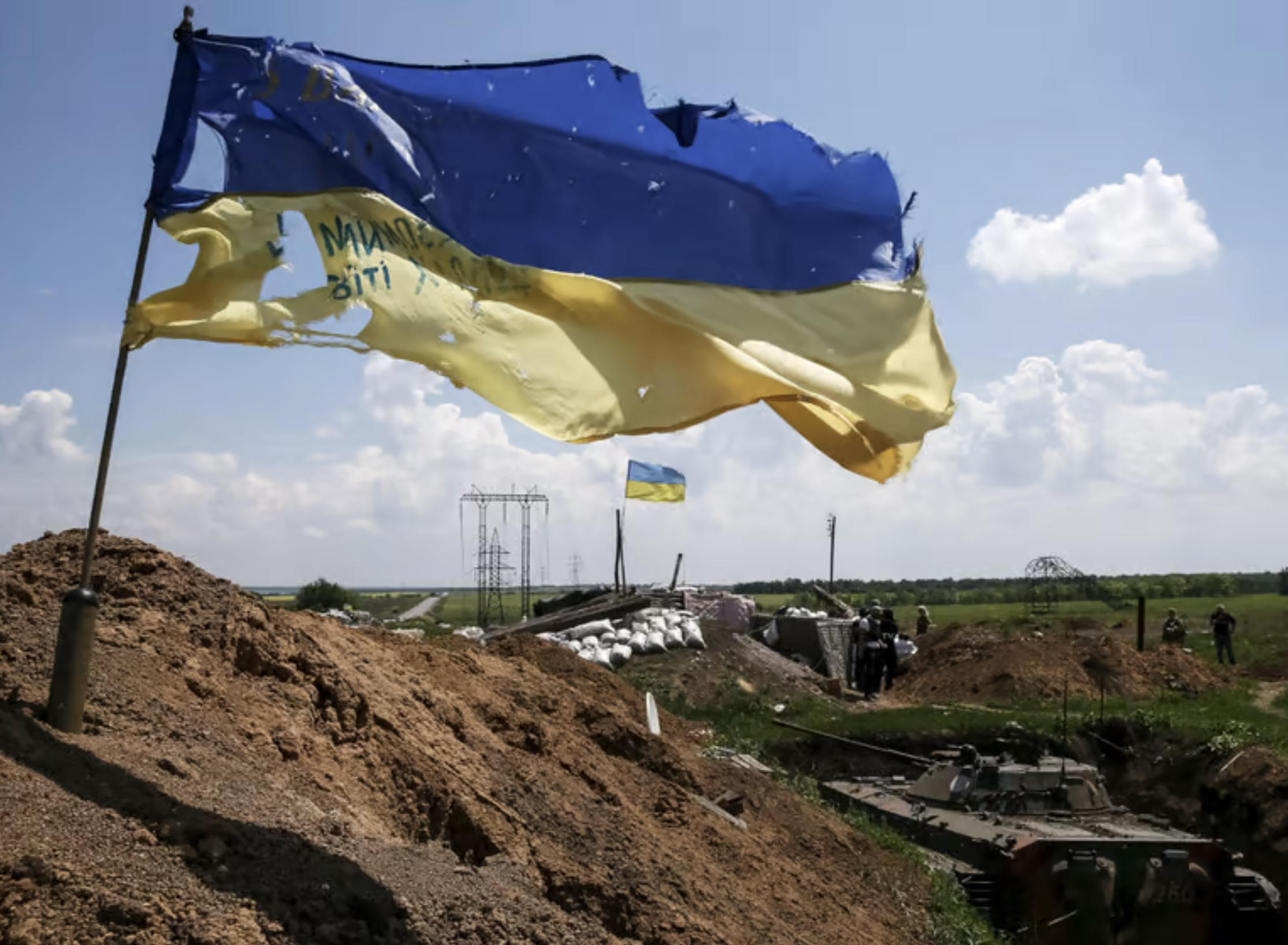
Although the eyes of the world are riveted today on the war in Ukraine, there are currently 110 armed conflicts being monitored by the Geneva Academy. However, since Ukraine is in the news daily, it is worth noting both modern armies are employing military rations.

Apparently, Ukrainian troops have great Meals Ready to Eat (MREs). “Most importantly, when making, eating, or even talking about the food, the men seem to be genuinely happy.” The MRE link in this paragraph contains the details, including the note that “among the contents, you’ll find a small packet of dried apricots and a dark chocolate bar.”

There is also a vendor on ebay who sells what are purported to be captured Russian supplies, including a confiscated chocolate bar. The candy appears to be conventionally purchased, but could be part of an illicit chocolate conspiracy finding its way to the Russians from Latvia. “The Russian confectionery company ‘Pobeda’ ПОБЕДА has been producing chocolates, truffles, waffles and other types of sweets for more than six years in Ventspils, via a Latvian subsidiary.”

A month ago in Russia, “Pobeda” received thanks from an organization called the “Battle Brotherhood” for the fact that since the beginning of the Ukrainian war, the company has sent at least 15 tonnes of its products to Russian soldiers.

Chocolate does indeed appear to fuel armies. For a fascinating article on how chocolate can also be used to promote propaganda, check out this Ukrainian site.

Russian propaganda continues to dehumanize Ukrainians with the help of outright fakes.

Another “proof” of our apparent bloodthirstiness was the image of a chocolate bar with a remarkable name “Death of Alyoshka.” A portrait of a boy in a helmet with a mourning ribbon is placed on the wrapper of the confectionery. Propagandists claim that Ukrainians wish Russian children dead.

Become an MRE Connoisseur

If you are curious about the contents of various international MREs that are available for purchase by civilians, visit MREmountain, which began “in 2017 when people discovered the hobby of trying army rations.”

Most veterans, I suspect, would find the “hobby” of eating military rations rather peculiar. But then again, you can check out the French options, which the site labels “The best MRE in the world.” Only there, I imagine, could one discover “meals not found in any other MRE like Kebob Meatballs, Duck Confit, Deer Pate, Wild Boar.”

And, of course, France’s 24-hour ration also includes chocolat müesli, chocolate biscuits, five snack bars (at least one of which is pure chocolate), and a hot cacao packet. Yummy. It appears that les Français also consider chocolate to be a staple of modern soldiers.


* This quotation has been attributed to Napoleon and Frederick the Great. Whatever its modern origin, it is obvious starvation and its frequent companion, disease, have crippled as many armies as blade and shot.

⁑ “Mock Goose and Other Dishes of the War-Rations Diet” offers some interesting thoughts on this subject.

Ukrainian War Poetry

In the heat of war, bullets are not the only weapons piercing the air. Words too are wielded as weapons. And some of those martial messages take the form of poetry.

C.S. Lewis thought and wrote much about poetry. In his monumental study, English Literature in the Sixteenth Century, he offers this curious insight. “Great subjects do not make great poems; usually, indeed, the reverse.”

Certainly, countless refrains have been penned about historical events and noteworthy personages. But the poetry that seems to speak directly to the emotions is typically unencumbered by dramatic or political reference.

That does not mean poetry and conflict do not possess an intimate bond. One of the tragedies of the First World War was, in fact, that so many promising young poets were cut down in their youth. These brief biographical notes introduce readers to several of them.

C.S. Lewis was a veteran of the grim trench warfare himself. Although most “professional poets” don’t consider his work praiseworthy, I do. I once wrote a post on the subject and included a poem which includes the following stanza.

Long leagues on either hand the trenches spread
And all is still; now even this gross line
Drinks in the frosty silences divine
The pale, green moon is riding overhead.

Voices of Ukraine

The current conflict raging in Europe carries echoes of the past century. Among those reverberations we hear war-inspired lyrics. Some seek to stir patriotic passions. Others consider the universal grief spawned by scenes of mangled mortality.

Five years ago, a collection of poetry entitled Words for War: New Poems from Ukraine was published. It chronicled the Euromaidan Revolution, also called the “Revolution of Dignity,” which possesses direct links to today’s war, and preceded Russia’s annexation of Crimea.

Borys Humenyuk fought during that revolution, and appears to be in uniform today, as well. Presumably he will write more about today’s war, once Russia has been repelled and Ukraine’s sovereignty has been reaffirmed. In the meantime, he is likely reexperiencing the moment he captured in these words almost ten years ago.

When you shoot
Even when it’s at night and you don’t see the enemy’s face
Even when night hides the enemy from you and you from the enemy
And embraces each of you as her own
You smell like gunpowder
Your hands, face, hair, clothing, shoes —
No matter how much you wash them —
    smell of gunpowder
They smell of war
You smell of war
You and war are one.

It is poignant how the suffering birthed by war is also capable of giving voice to such moving sentiments.

Would that war should end. The loss of such heartrending words would be small price to pay.


After publishing this column, I received correspondence from Ukrainian poet, Vyacheslav Konoval, inviting me to share one of his poems. I offer the following, which I found particularly poignant. And I encourage you to visit Slava’s personal website at All Poetry.

Dog Day

Staggering, a drop of dew falls from the green grass,
fog, and even acrid smog, covers the ground,
the cylinder was torn on all sides, so it was gas.

Ragged camouflage with holes,
the Red Sea swallows the corpses
Are they in the field, cartridges without controls?

The tire blazed, moaned and tire finished,
here is the hostility, aggressive appetite has not diminished,
the enemy turned into fertilizer.

A stray dog ​​howls,
recites prayers with a hoarse voice,
stares at the torn soldier’s jaws,
the enemies have made their choice.

C.S. Lewis & Karl Marx

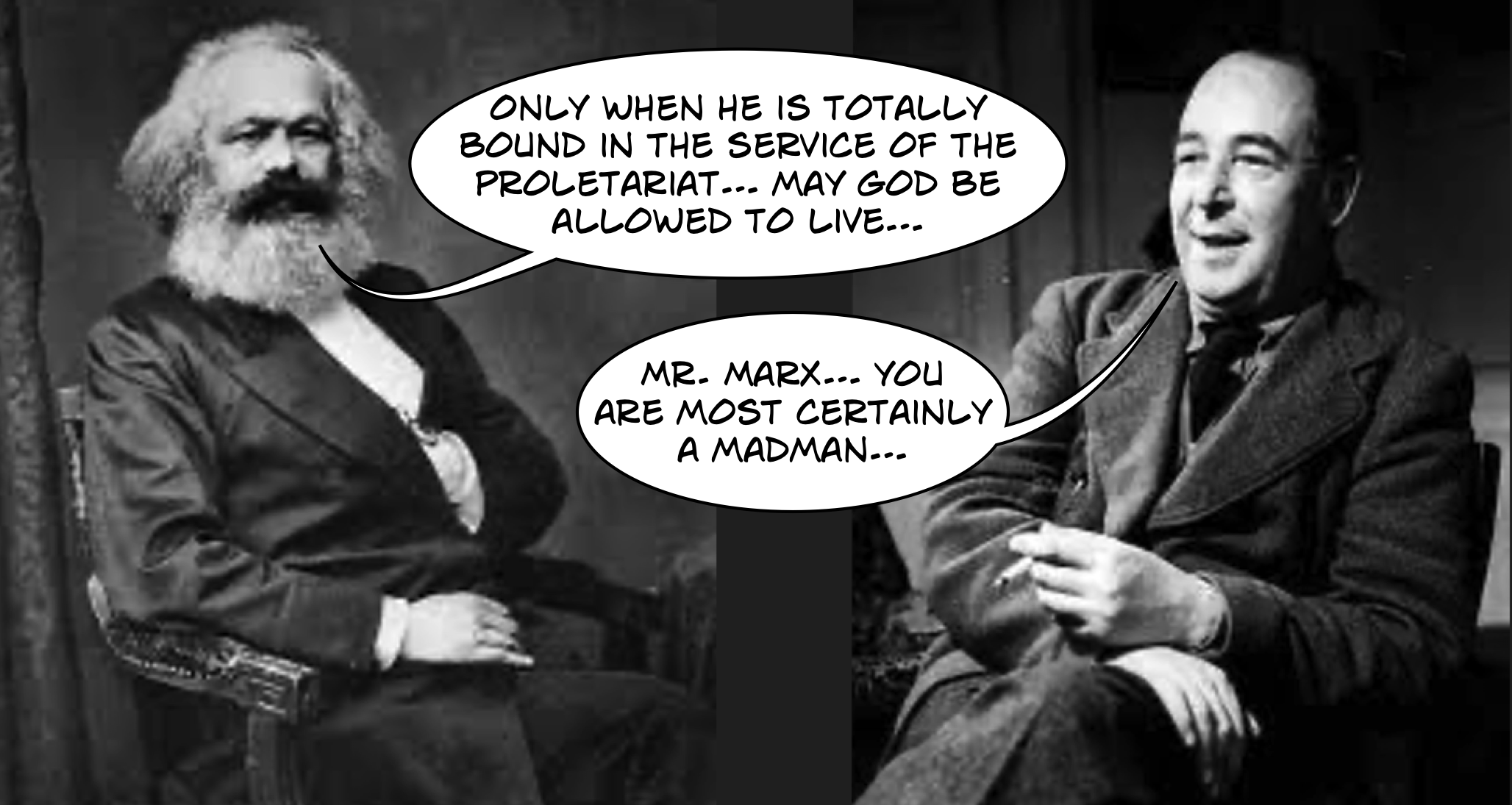
C.S. Lewis recognized quite early how Karl Marx’s philosophy, a “potent evil,” would justify terrible crimes.

The greatest threats to humanity’s future are the two major Communist powers. We see Russia’s brazen criminal ambitions currently on display in Ukraine.

Communist China’s malevolent intentions are more insidious and far more dangerous.

Aside from its nuclear arsenal, we now recognize how vastly overrated Russia’s military has been. China, by contrast, possesses an army and navy that grow deadlier each day.

C.S. Lewis understood the evil at the core of Marxism. Communists and, to a lesser degree, Socialists, seek to strip away individual rights for the illusory betterment of the whole.

But, because human beings are sinful and self-centered, even true Marxist idealists invariably end up devolving into fascist totalitarians. That’s why every one of these so-called “people’s republics” reflect nothing of republican or democratic values.

They invariably become corrupt oligarchies, typically led by ironfisted dictators. In addition to the aforementioned regimes, consider Cuba and Venezuela. When was the last time any of these four beacons of Socialism held free elections?

Karl Marx was a very troubled man. This essay in a recent publication addresses not only his insane economic theories, but his extensive personal failures as well.

The sufferings of the Marx family, and especially of poor faithful Jenny, are difficult to describe. Though they did have a housekeeper and though Friedrich Engels spent in the course of the years at least 4000 Pounds on Karl Marx, they lived in abject misery.

The death of one child, a boy, is directly attributable to poverty and neglect. Family life must have been absolutely terrible, but Marx could not be moved – neither by entreaties, nor by tears, nor by cries of despair. . . .

Yet it would be a mistake to think that Marx suffered silently and proudly. By no means! In his letters and in his conversations he never failed to complain and to lament. He had a colossal amount not only of self-hatred, but also of self-pity, but no human feelings for others, least of all for his wife whose health he had ruined completely.

In a 1946 essay entitled “Modern Man and His Categories of Thought,” C.S. Lewis discussed the atheistic core of Communism. He noted that its advocates can use “religion” as a puppet to bolster their power. Read here about the official position of the Russian Orthodox Church, and the sad fact that “Patriarch Kirill is a staunch ally of Mr. Putin.”

Such is the fruit of the Marxist mind. Here is C.S. Lewis’ description.

Proletarianism, in its various forms ranging from strict Marxism to vague “democracy” . . . [is] self-satisfied to a degree perhaps beyond the self-satisfaction of any recorded aristocracy.

They are convinced that whatever may be wrong with the world it cannot be themselves. Someone else must be to blame for every evil.

Hence, when the existence of God is discussed, they by no means think of Him as their Judge. On the contrary, they are His judges. If He puts up a reasonable defence they will consider it and perhaps acquit Him. They have no feelings of fear, guilt, or awe.

They think, from the very outset, of God’s duties to them, not their duties to Him. And God’s duties to them are conceived not in terms of salvation but in purely secular terms – social security, prevention of war, a higher standard of life. “Religion” is judged exclusively by its contribution to these ends (“Modern Man and His Categories of Thought”).

As destructive as Marxism is wearing its true, secular garb, it becomes far more calamitous when it infiltrates the Christian Church. As C.S. Lewis observed, Marxism can use and abuse the Church, but that is done from an external position.

When actual members of the Church are deceived to the degree they adopt this error, it is beyond tragic. In 1940 Lewis warned of this danger in a letter to a Roman Catholic priest with whom he corresponded.

Fascism and Communism, like all other evils, are potent because of the good they contain or imitate. Diabolus simius Dei.* And, of course, their occasion is the failure of those who left humanity starved of that particular good.

This does not for me alter the conviction that they are very bad indeed. One of the things we must guard against is the penetration of both into Christianity-availing themselves of that very truth you have suggested and I have admitted.

Mark my words: you will presently see both a Leftist and a Rightist pseudo-theology developing – the abomination will stand where it ought not.

C.S. Lewis was an honest man, who was capable of acknowledging his own shortcomings. Thirteen years after the previous letter, he wrote to another priest in the wake of massive suppression of Christianity in China.

After lamenting the persecution, he acknowledges the failure of the Church to live according to its calling. To this failure he attributes the rise of “other evils” such as Communism.

At last, dearest Father, there has come to hand that copy of . . . your article on that Chinese disaster. I used myself to entertain many hopes for that nation, since the missionaries have served there for many years not unsuccessfully: now it is clear, as you write, that all is on the ebb.

Many have reported to me too, in letters on this subject, many atrocities, nor was this misery absent from our thoughts and prayers.

But it did not happen, however, without sins on our part: for that justice and that care for the poor which (most mendaciously) the Communists advertise, we in reality ought to have brought about ages ago. But far from it: we Westerners preached Christ with our lips, with our actions we brought the slavery of Mammon.

We are more guilty than the infidels: for to those that know the will of God and do it not, the greater the punishment. Now the only refuge lies in contrition and prayer. Long have we erred.

In reading the history of Europe, its destructive succession of wars, of avarice, of fratricidal persecutions of Christians by Christians, of luxury, of gluttony, of pride, who could detect any but the rarest traces of the Holy Spirit?

Christians, I encourage you to join me in repenting of our failures. We must still challenge the lies, such as those of Karl Marx. But, we should never do so without remaining conscious of our own failures which too often provide fertile soil for such deceptions.


* Diabolus simius Dei means “the Devil is the ape of God.” This refers to Satan’s attempts to imitate or counterfeit divine actions and principles. The observation was first made by Tertullian, and echoed by Augustine and others.

C.S. Lewis on Russian Aggression

Sadly, we see history repeating itself. The Russians (resurgent Soviets) are trying to expand their borders by violence.

Czarist Russia was unabashedly imperialistic. However, their successors, the Russian Communists combined their hunger for new conquests with unbelievable brutality.

C.S. Lewis viewed them with the distrust they merited. At the beginning of the Second World War, the Russians played the Allies for fools when they signed a nonaggression pact with the Nazis, so the two countries could carve up poor Poland between them.

The following month, in September of 1939, Lewis referred to the ominous event in a letter to his brother Warnie, who was a career soldier. First, however, he describes the situation with evacuee children who were living at the Kilns.

The nicest of our evacuated girls (the Rose Macaulay one) has been taken away by a peripatetic lip-sticked mother who has changed her mind, and been replaced by an Austrian Jewess (aged about 16) whom the school warned us against as difficult: but so far neither Minto nor Maureen nor I can find any fault in her.

The house has shaken down into its ‘war-economy’ quite well, and indeed the children are incomparably less of a nuisance than [other guests] with whom we have often been afflicted in peacetime.

To-day is a bad day because we have just heard the news about Russia and poor Minto, for the moment, regards this as sealing the fate of the allies–and even talked of buying a revolver!

That December, he mentioned Russia’s unprovoked invasion of Finland in another missive to his brother Warnie. In the letter he refers to some old story told by their father, that was of special, humorous recollection to the brothers.

Well, Brother, (as the troops say) it’s a sad business not to have you with me to-morrow morning-and not to have the January walk ahead. The most cheerful thing at present (oddly enough) is the News. Russia’s attempt to do to Finland what Germany did to Poland reminds me of your father’s story of the “great bosthoon”* whom his athletic friend took out for the run and who tried to imitate him in jumping the flax-pond-one of those of his wheezes whose point lay wholly in his telling.

During the brief “Winter War,” Finland inflicted severe casualties on the Soviet invaders, despite being vastly outnumbered. Despite their heroic defense, Finland was forced to surrender some of their territory to the Soviets.

During World War Two, the Western allies (primarily Britain, the U.S., and France) liberated countries from Nazi oppression.

The Soviets, in contrast, simply changed the nationality of the victims’ oppressors. They regarded the nations devastated by the Germans as new conquests. And, rather than helping them reestablish their independent governments, the Communists absorbed the areas they could, and set up puppet regimes in nations they could not manage to digest.

When the collapse of the Soviet Union finally left Eastern Europeans with a chance at freedom, most fled from behind the Iron Curtain.

In 1950, only a half a decade after the global war’s end, another major war was erupting. The Korean War pitted another Communist aggressor (China) against the democracy in South Korea. Soviet troops covertly joined the North Korean forces, flying early generation MiG-15s. (It is the modern MiG-29 that Poland is hoping to transfer at the present time to Ukraine.)

Despite the Soviet denials, the Korean Conflict pitted the two great world powers in a battle that could well have erupted into a wider conflict.

The concern expressed by C.S. Lewis in the following letter was common among those who were still reeling from WWII’s violence. In June of 1950 Lewis wrote to thank an American friend for food sent to supplement the postwar rationing.

For once, the all absorbing topic of food has been swept into the background by the dreadful news from the Far East. The only gleam of satisfaction is that all of us feel that your prompt action may still save us from a third war; it has at least saved us from a second Munich, and there are hints in our papers today that Russia will very likely back down–but start probing for a ‘soft spot’ elsewhere: Burma, Cochin-China, or even Europe. One can but pray.

In 1950 Lewis prayed, as all Christians should, for a de-escalation and peace.

Seventy years later, events in Ukraine clearly reveal that Russian rulers still long to conquer their neighbors. While we pray for peace, the world dare not close its eyes to the specter of Putin’s resurrected Soviet empire.


  • Bosthoon is an Irish word for an ignorant or uncouth boy or man. The inference is that the initial failure of the Soviet invasion revealed their foolhardiness.

Anachronistic Military Imagery

Peace is almost universally valued. Ironically, it cannot be achieved without holding militaristic forces at bay. And preventing them from crushing the weak, requires that a more “benevolent” be strong enough to stand up to the international bullies.

If there is no champion for those unable to defend themselves, the wolves tear their prey apart and the only limits placed on their appetites are the threats posed by other predators. The fate of the small ranges from domination by ruthless powers to domination by less ruthless overlords.

If there is no benevolent “superpower,” or if it is viewed as feeble and indecisive, the Third Reichs of the world will reign.

Historically, imperialistic agendas have been checked by other empires or alliances. Some alliances are small, such as the North American Aerospace Defense Command (NORAD) which includes only Canada and the U.S. Others are intercontinental, such as the North Atlantic Treaty Organization (NATO), with its thirty members. Further growth of this alliance is at the heart of global tensions as this post is published.

The alliances I have mentioned are established for mutual defense. NATO has not secreted away a covert plan for world domination.

My thoughts turn to the possibility of war because (in view of many) the power of the United States is waning. Wolves are licking their proverbial chops, eager to expand their spheres of influence.

Even as we pray that God would preserve Europe from conflict around Ukraine, remember that there are nations where civil wars have raged for generations. God have mercy.

War & Peace

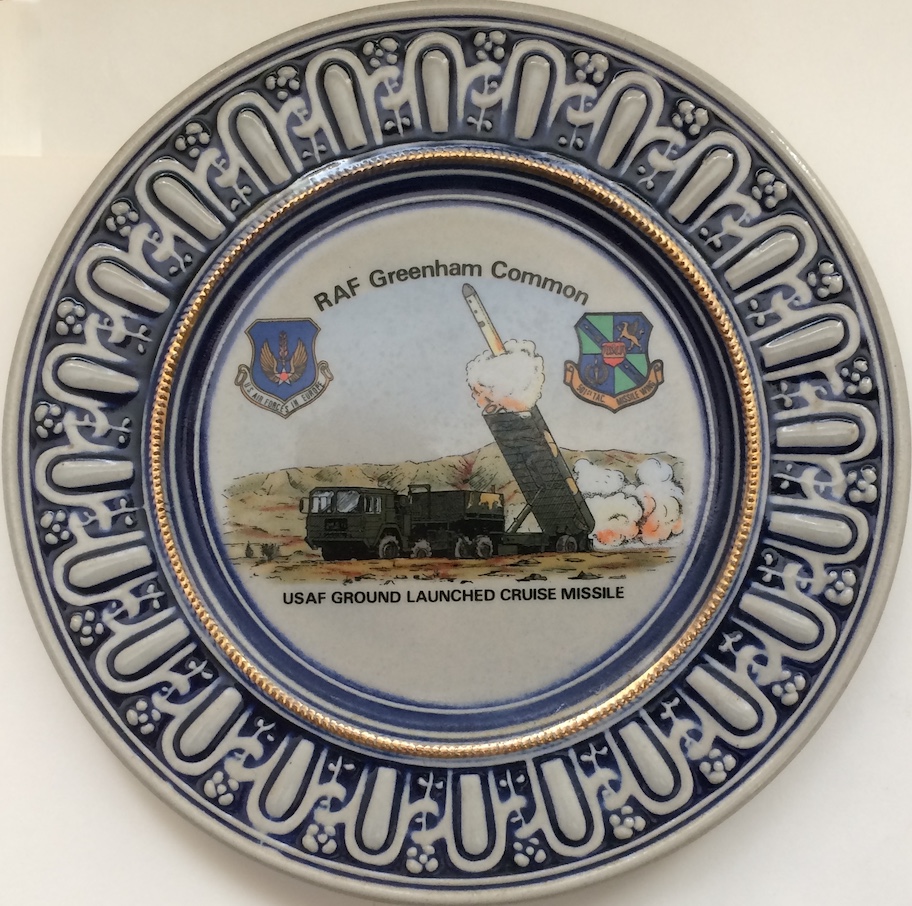
The “collectable plate” pictured at the top of this post was purchased by my mother when she visited our family in the U.K. in 1990. A decade after my retirement from the USAF, I am still unpacking some of the boxes I accumulated during decades, and after my mom’s passing, this souvenir joined the archives.

It really is beautifully ornate. Such an attractive setting for an awesomely combative image.

Lest they be misperceived as “conventional” weapons, it should be noted that Ground Launched Cruise Missiles were expressly devised to deliver intermediate range nuclear explosives. Deadly.

The great thing about NATO’s cruise missiles is that they were deployed to bring the Soviet Union to the negotiating table, where the Intermediate Nuclear Forces Treaty led to the elimination of all such munitions from Europe!

Combining military and peace imagery has a long tradition. I wrote about “Powerful Names” and how Iran chose the classic name “Peacekeeper” for one of its deadly missiles. But you can find in my post many other, stranger labels. (I’m still confused why the Brits named of their 1950s missiles “Green Cheese.”)

My assignment at Royal Air Force Greenham Common was a joy. And it was a genuine privilege to be part of a mission that literally made the world a safer place.

I hope all people who desire lasting peace will join me in supporting the allied nations of democratic countries as they counterbalance the world’s totalitarians. And if they can combine the power of necessary arms with artistry that celebrates the pastimes of peace, all the better.

C.S. Lewis worked his own magic combining frightening images with peaceful pursuits. Included in the ranks of Aslan’s army, after all, we see not only cute badgers and prickly hedgehogs. Fierce (even beastly) satyrs are found in the ranks of Good. (Think super-gross, goat-faced fauns . . . with axes). Still, when they are aligned in the ranks beside Narnia, they appear noble. I can even imagine them, during seasons of peace, tilling the soil and tending the orchards.

We will close with a piece of trivia about Narnian warriors. In the books, the Minotaurs (nasty creatures these), are all portrayed in a negative light. They are among the troops of the White Witch celebrating Aslan’s death. However, in the films they have been redeemed and some fight beside Aslan and Narnia’s kings. C.S. Lewis’ son, Doug Gresham, explained the change in an interview:

There are several reasons for that. Firstly, we felt that we needed to show that in Narnia as here, old foes can be forgiven and can reconcile and work together, given the will to do so. Secondly, that in Narnia as also it is here, a common adversary will bring even the worst of enemies together and unite them.

Also, that the shapes and colours of a species’ body do not necessarily denote their character, that just because someone is a Minotaur does not have to mean that they are all bad. Finally, we kind of like Minotaurs.

Vodka the Opiate

ApolloIn our troubled world, some disappointed souls seek solace in a bottle. There are also corrupt governments that steer their people toward such destructive distractions to draw their attention from their rulers’ crimes.

Such, sadly, is the current state of Russia.

I have long felt a compassion and affinity for Russia. Even when it was the Soviet Union, I knew that the Russian people did not want the world to end in a nuclear conflagration.

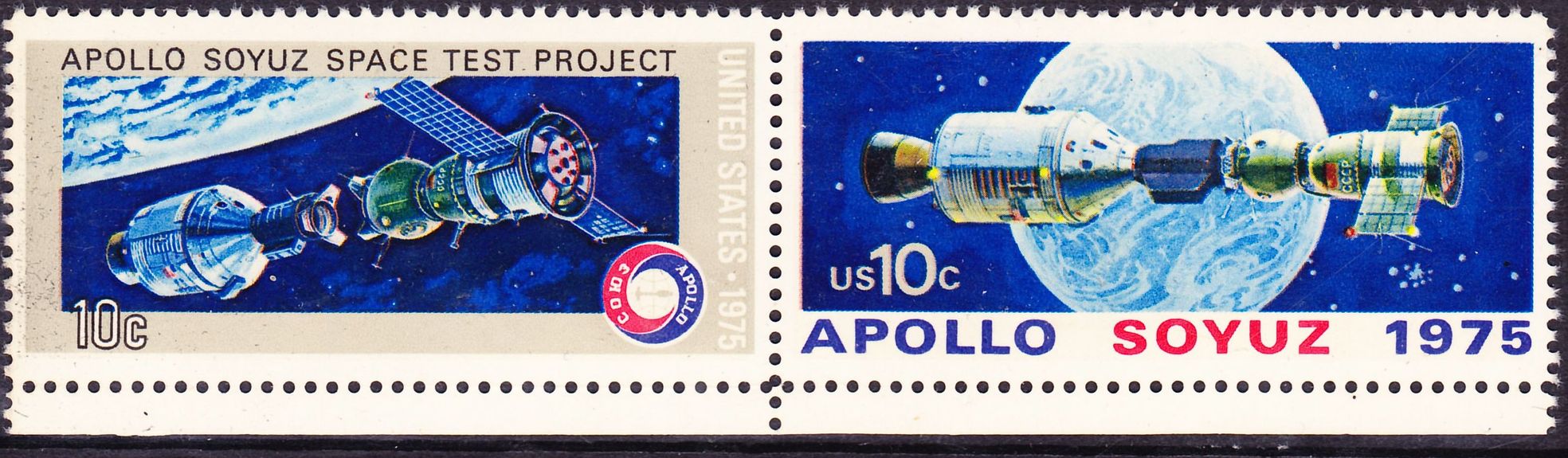
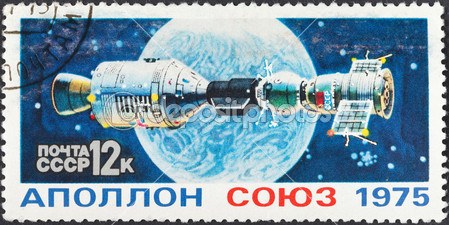
For many years I displayed the dual Soviet and American stamps issued to commemorate the docking of the Soyuz and Apollo spacecraft. I saw that event as a promise of the peace and cooperation that might someday exist between our nations. A peaceful, even warm, relationship that would be a blessing to the entire world.

I thought that day might have arrived with the end of the Soviet Union and the restoration of a Russian nation.

Unfortunately, democracy was not to prevail—at least at this moment—in that historic land. Russia ended up with the worst elements of capitalism. They got the West’s privileged (i.e. rich) classes who hoarded the nation’s wealth. And, the Russian version was even harsher. The masses have been left with dreams unfulfilled, and an oligarchy living in luxury.

As the people begin to awaken to the injustice, their leaders turn to a proven means of dulling human thought—alcohol. And, since we are talking about Russia, that means vodka. I found this analysis by David Satter quite interesting.

The Putin regime needs an end to sanctions—not because they are crippling in themselves but because, in combination with the growing crisis of the economy and the unpredictable trajectory of the war [in eastern Ukraine], they could help lead to the destabilization of Russia. . . . It is a measure of the government’s concern that it has cut the price of vodka. . . . This is a transparent attempt to use vodka to tranquilize the population.

SoyuzWhile I will continue to pray for the people of Russia, this description of Putin’s strategy reminded me of the oft-quoted Communist adage that “religion is the opiate of the masses.”

Marx or Lewis?

Karl Marx was right, in that manmade “religion” can be used to blind people to their surroundings.

Marx, however, did not understand Christianity. Because Jesus of Nazareth dispels all illusion and enables us to truly comprehend reality.

C.S. Lewis referred to Marx’s slander in his book, The Problem of Pain.

Those who reject Christianity will not be moved by Christ’s statement that poverty is blessed. But here a rather remarkable fact comes to my aid. Those who would most scornfully repudiate Christianity as a mere ‘opiate of the people’ have a contempt for the rich, that is, for all mankind except the poor.

They regard the poor as the only people worth preserving from ‘liquidation,’ and place in them the only hope for the human race. But this is not compatible with a belief that the effects of poverty on those who suffer it are wholly evil; it even implies that they are good.

The Marxist thus finds himself in real agreement with the Christian in those two beliefs which Christianity paradoxically demands–that poverty is blessed and yet ought to be removed.

Lewis aptly describes the hypocrisy of the elite who live with the comforts they supposedly disdain. In contrast, he affirms Christ’s own words about how the least are the greatest in the Kingdom of God.

Far from serving as a debilitating opiate, Christianity moves people to overcome the trials of this world. It motivates them to care for the less fortunate. It is active, not passive and resigned.

Unlike a mind-dulling spirit, Christianity calls us to forgive even our enemies and extend to them a hand of peace.

Who knows if lowering the price of vodka will distract the Russian people from the disastrous direction of their ruling regime. I hope not.

I pray that Russia will seize instead the promise bequeathed them in their Christian heritage. So that, following in the footsteps of the Prince of Peace, they might become an example of national righteousness for the rest of us, whose homelands have their own deep imperfections.

_____

Satter’s editorial, which appeared in the Wall Street Journal, is available here.